


Generational Wealth and Real Estate: What It Means and How to Use It Wisely
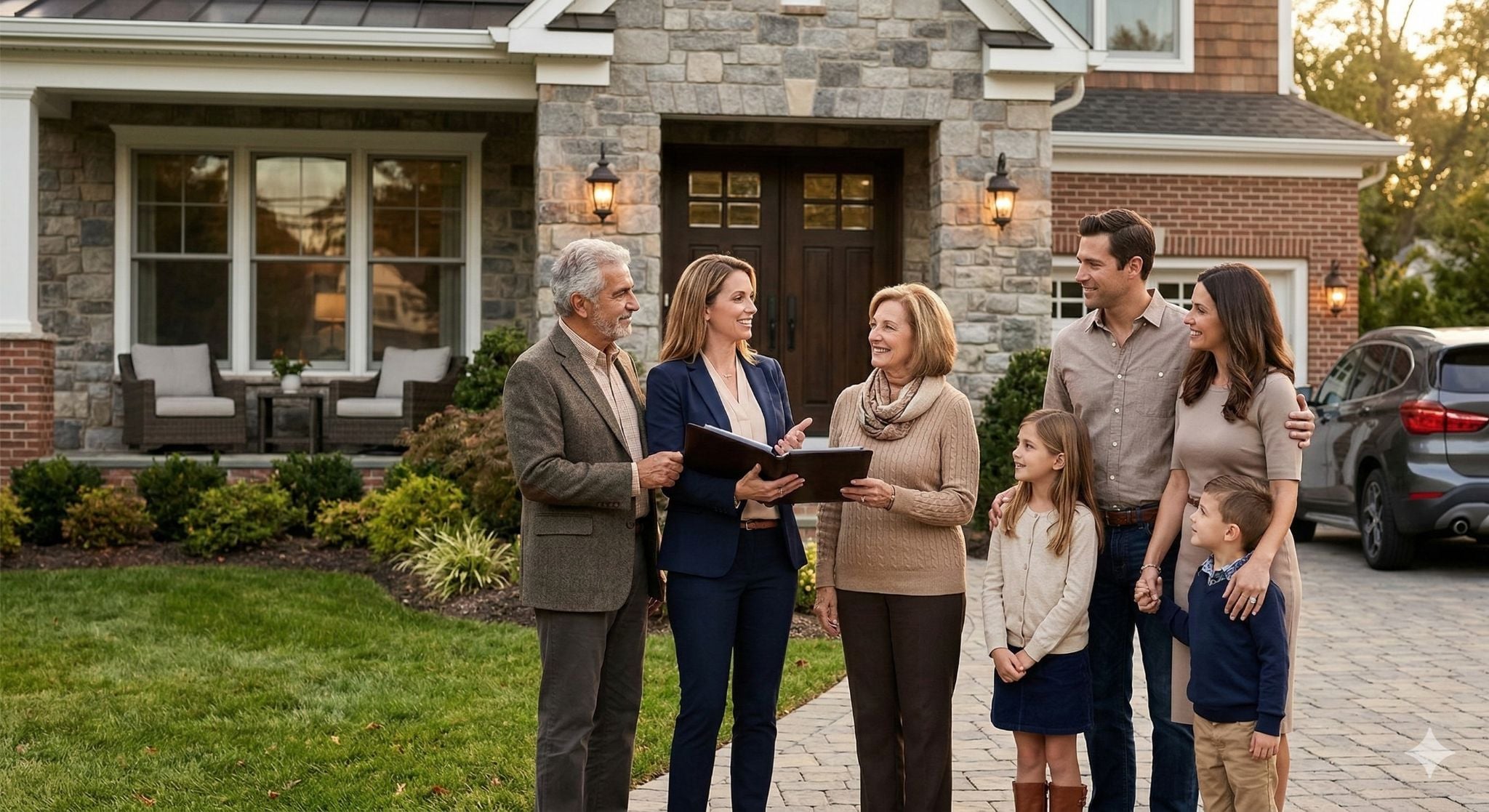
How property can create long-term opportunity for families and why thoughtful real estate decisions matter across generations
Generational wealth is a phrase people hear often, especially in conversations about money, family, and real estate. But before talking about its impact, it helps to define it clearly.
Generational wealth is wealth that is passed from one generation to the next. That can include money, investments, businesses, land, or real estate. The idea is simple: instead of every generation starting over from scratch, one generation leaves something behind that gives the next generation a stronger foundation.
For many families, real estate is one of the most common and most effective ways that happens.
A home is more than a place to live. Over time, it can also become a valuable financial asset. As mortgage balances go down and property values rise, equity builds. That equity can later be passed on, used to help family members, turned into income, or sold to create other opportunities. In many cases, one smart real estate decision can benefit a family for years.
That is why real estate plays such an important role in the conversation around generational wealth.
Unlike some other assets, real estate is tangible. It provides housing, stability, and often a sense of permanence. It can also create options. A family may hold onto a property and rent it out. They may sell it and use the proceeds to help children buy homes of their own. They may refinance and use the equity strategically. They may preserve a property that has both financial and personal value.
This is where generational wealth starts to affect real estate in a very real way.
When families have access to inherited property, sale proceeds from a family home, or financial support from parents or grandparents, they often enter the market with an advantage. They may be able to make a larger down payment, qualify more comfortably, compete more effectively, or buy in stronger locations. In some cases, inherited property also reduces the need to start from zero.
At the same time, generational wealth can shape how homes move through the market. Some properties stay in families for decades. Others are sold as part of a larger plan to create financial flexibility for children or grandchildren. In either case, the real estate decision is not just about the present. It is about what serves the family best over time.
That is also where strategy matters.
The best use of generational wealth in real estate depends on the family, the property, and the long-term goal. There is no single answer that fits everyone.
For some families, the best move is to keep the property. A home or rental property that continues producing value may provide long-term income and future flexibility. For others, selling may make more sense, especially if the equity can be used in a more practical way, such as helping multiple family members, paying off debt, funding education, or creating a path to homeownership for the next generation.
Sometimes the best use of generational wealth is not holding onto a property forever. Sometimes it is using the value of that property in the smartest possible way.
That is an important distinction.
Generational wealth is not just about keeping assets. It is about using assets with purpose. A property should not be held simply because it has been in the family. It should be evaluated based on what it can do, what it costs to maintain, what risks come with keeping it, and whether it still supports the family’s broader goals.
Used well, real estate can help create stability, opportunity, and long-term financial strength. Used poorly, it can become a burden, a source of conflict, or a missed opportunity.
That is why planning matters.
At DeFelice Realty Group, we believe real estate decisions should be made with both today and tomorrow in mind. Whether someone is buying, selling, holding, or planning ahead, property should be looked at not only for what it is worth now, but for what role it can play in a family’s future.
For some, that means protecting the value of a home they hope to pass down. For others, it means deciding when to sell and how to use the equity in a way that truly helps the next generation. For many families, it means asking better questions now instead of waiting until decisions become more difficult later.
Real estate has long been one of the clearest paths to building wealth over time. When handled with intention, it can do more than benefit one owner. It can create choices, support goals, and open doors for the people who come next.
That is the real impact of generational wealth in real estate. One thoughtful property decision today can shape a family’s financial future for years to come.
Check out this article next